FORM 03

Ceramic Rods

Solid rods and ground pins for structural, insulating and wear duty in tight assemblies.

Rods are the simplest ceramic form and the one where tolerance discipline shows most. Diameter and straightness are what make a rod fit a bore, hold a load or slide without binding.

Ground rod is specified when the rod has to mate with something else. As-fired rod is enough when it carries or insulates and nothing slides against it — and it costs less.

Specification and control points

Specification and control points
Material systemAlumina · Zirconia · Silicon nitride
DiameterGround to your drawing
LengthCut to order
End formFlat · Chamfered · Spherical
StraightnessStated over the full length
SurfaceAs-fired or precision ground
FeaturesGrooves, steps and threads defined on the drawing
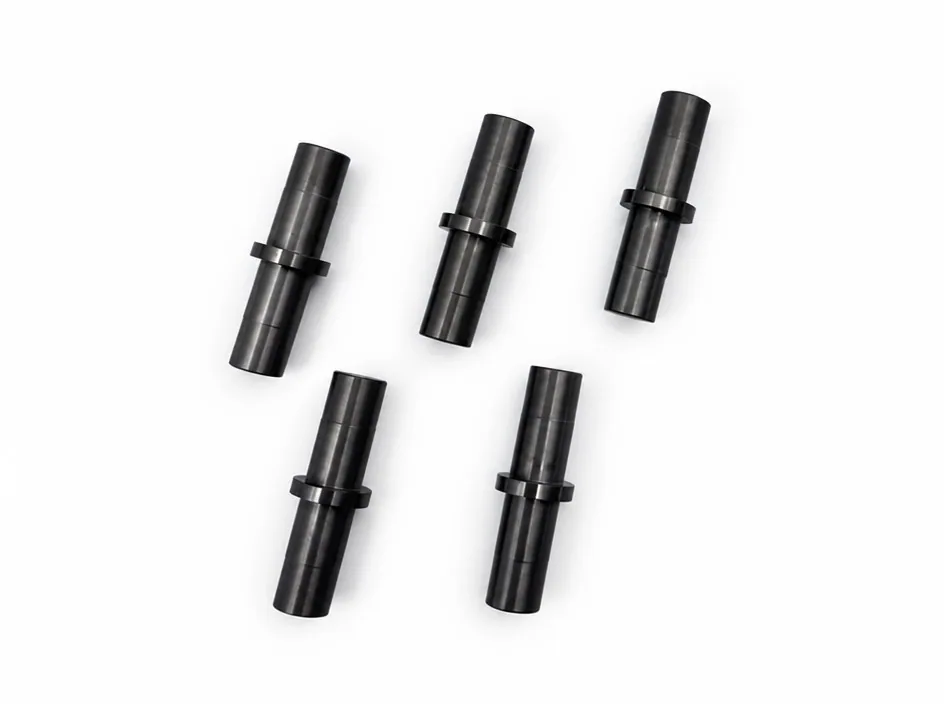
Five silicon nitride pins on a white ground, each turned with a central flange and shoulders at both ends.

FORM 03Silicon nitride spool pins — supplied part photograph

Part photographs

Ceramic Rods parts photographed

Supplied photographs for this catalogue entry. Captions describe the geometry in each frame — ask us for drawings and grades with your enquiry.
Three thin white alumina rods of different lengths lying at slight angles on a grey studio ground.

Straight rods, three lengths

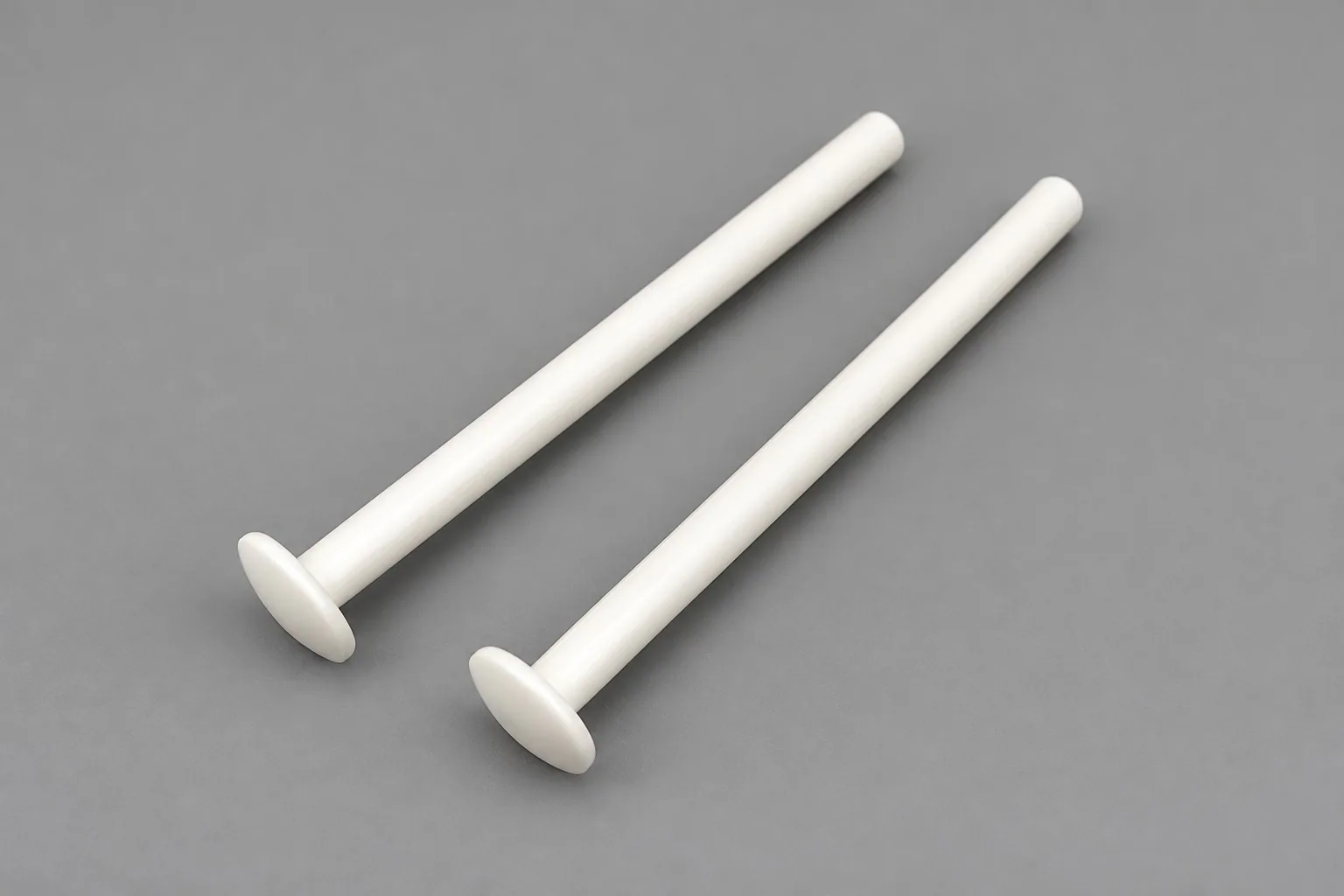
Two white alumina pins on a grey studio ground, each with a long shaft and a flat flanged head.

Pins with flanged heads

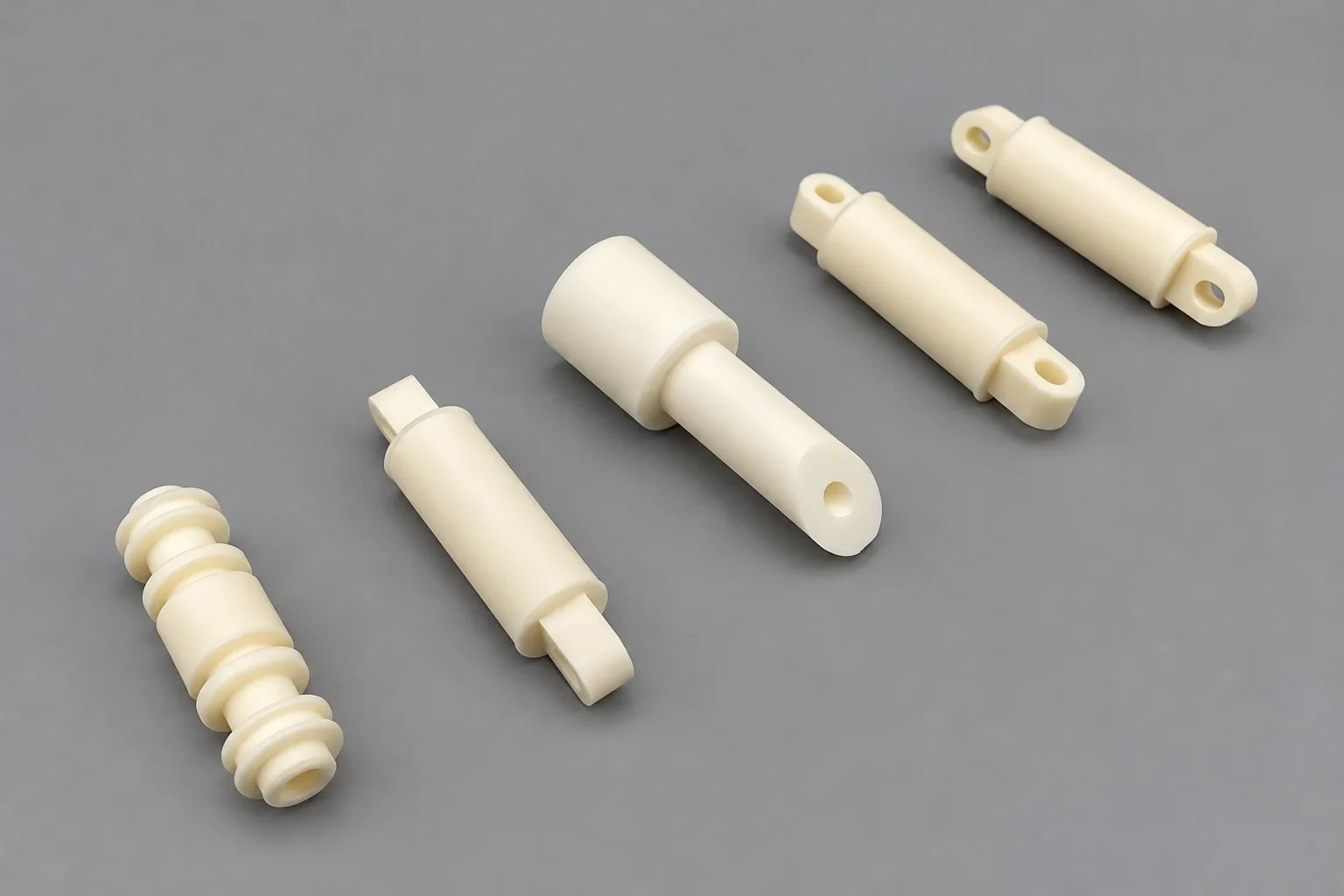
Five white alumina pins with machined steps and a bore, laid diagonally across a grey studio ground.

Stepped pins with a through bore

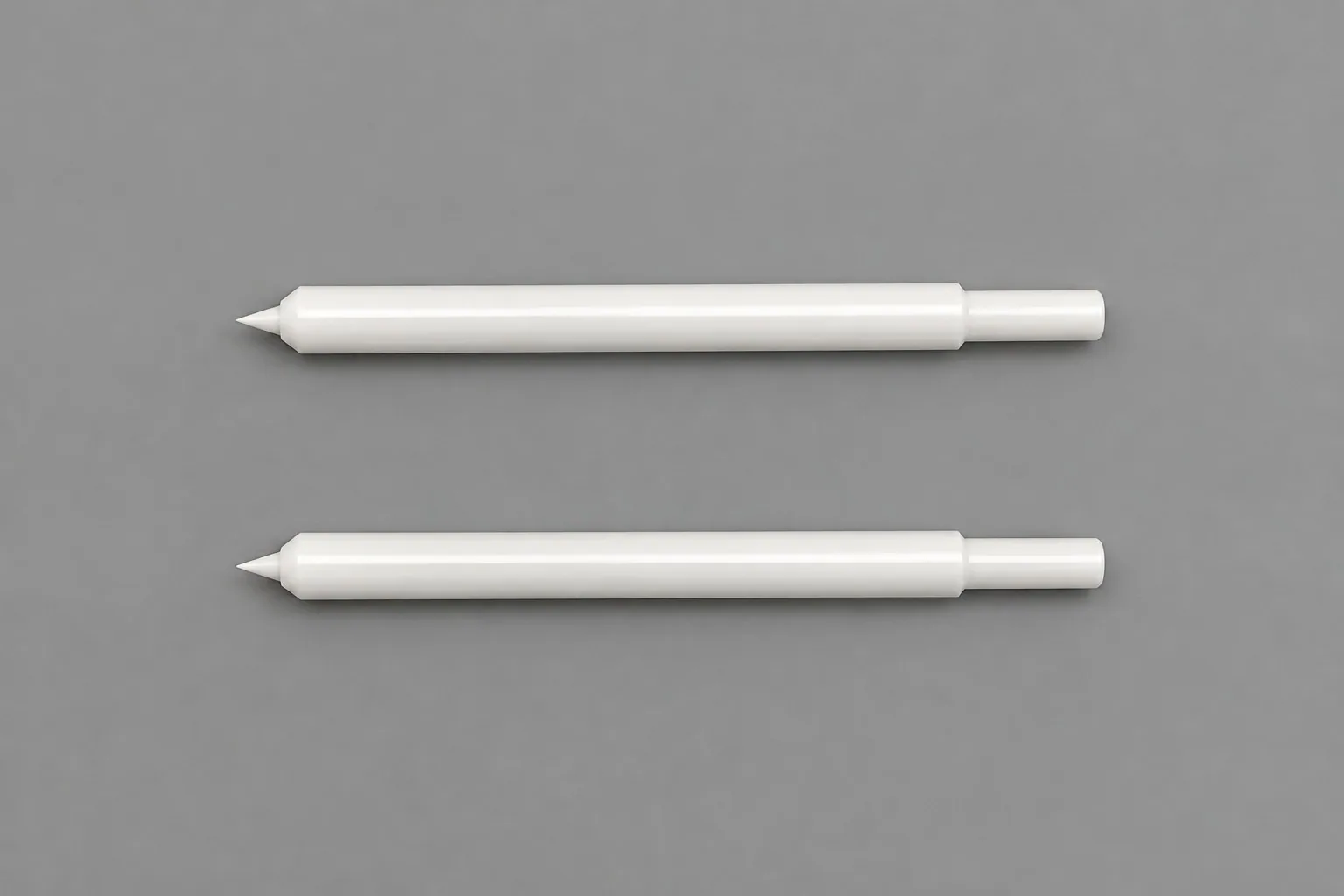
Two zirconia rods on a grey studio ground, each stepped at one end and tapering to a point at the other.

Zirconia rods with tapered tips

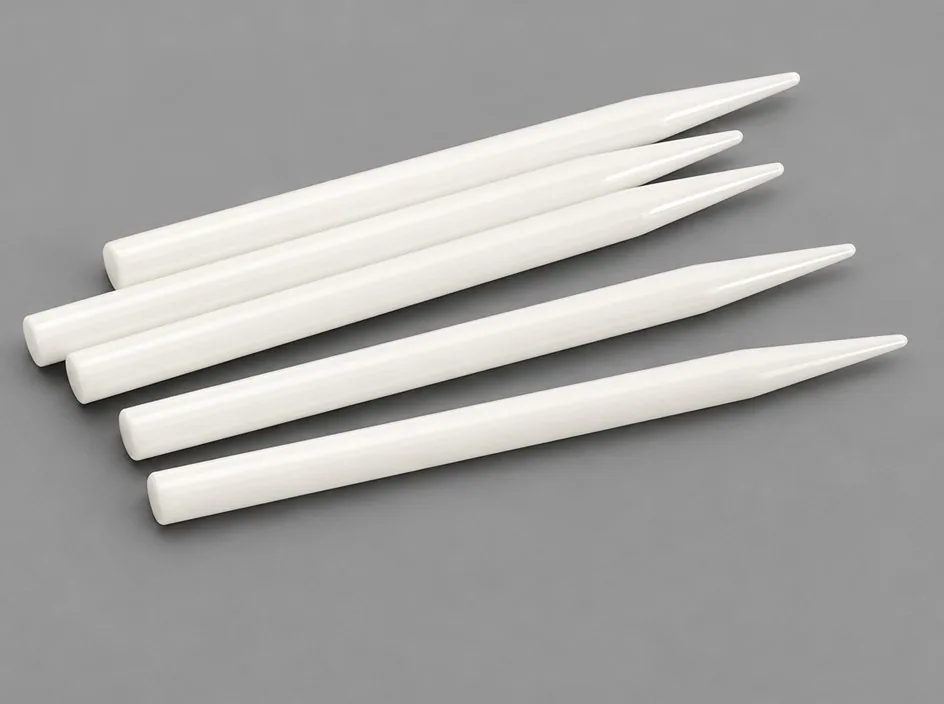
Five zirconia rods lying in parallel on a grey studio ground, each tapering to a point.

Zirconia tapered rods

Five silicon nitride pins on a white ground, each turned with a central flange and shoulders at both ends.

Silicon nitride spool pins

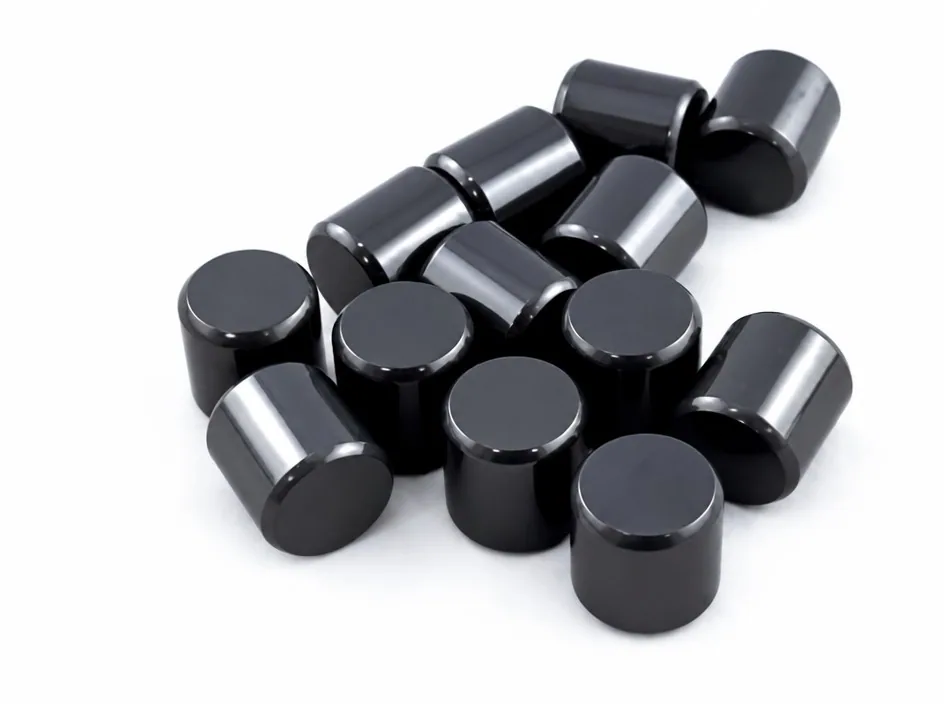
Thirteen short silicon nitride cylinders of similar diameter, scattered on a white ground.

Short silicon nitride cylinders

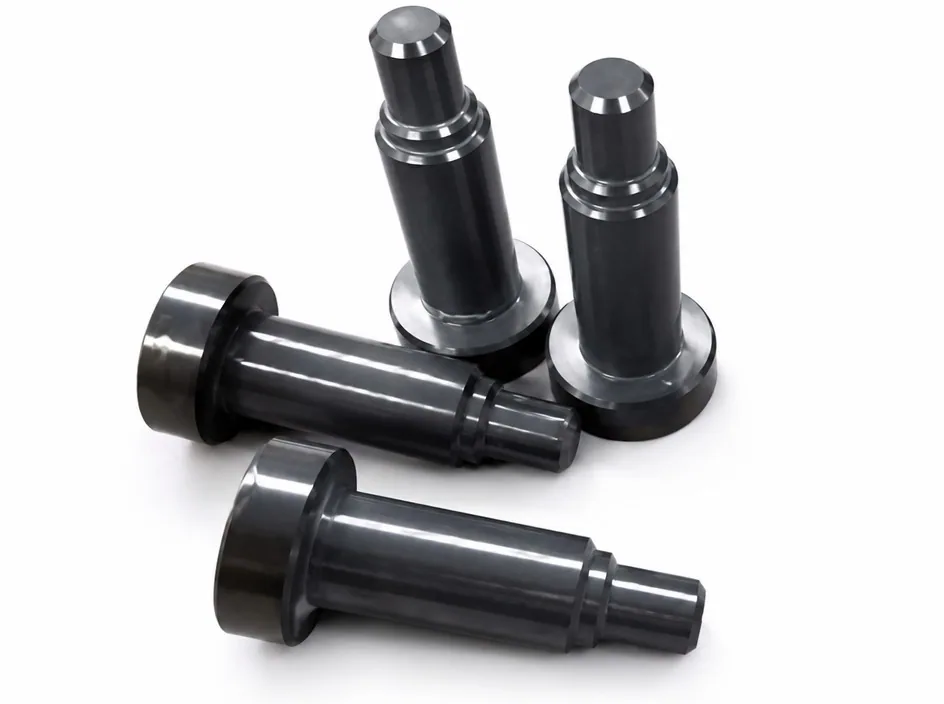
Four silicon nitride pins on a white ground, each stepped down in two stages with a flanged base.

Stepped silicon nitride pins

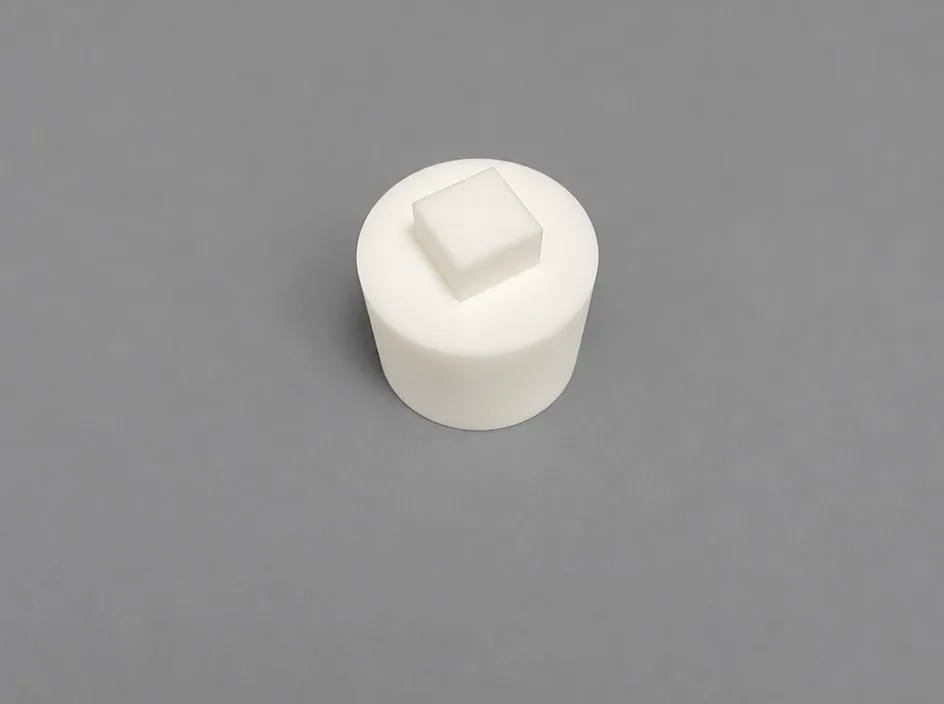
A cylindrical white body on a grey studio ground with a raised square boss on its top face.

Plunger body with a square boss

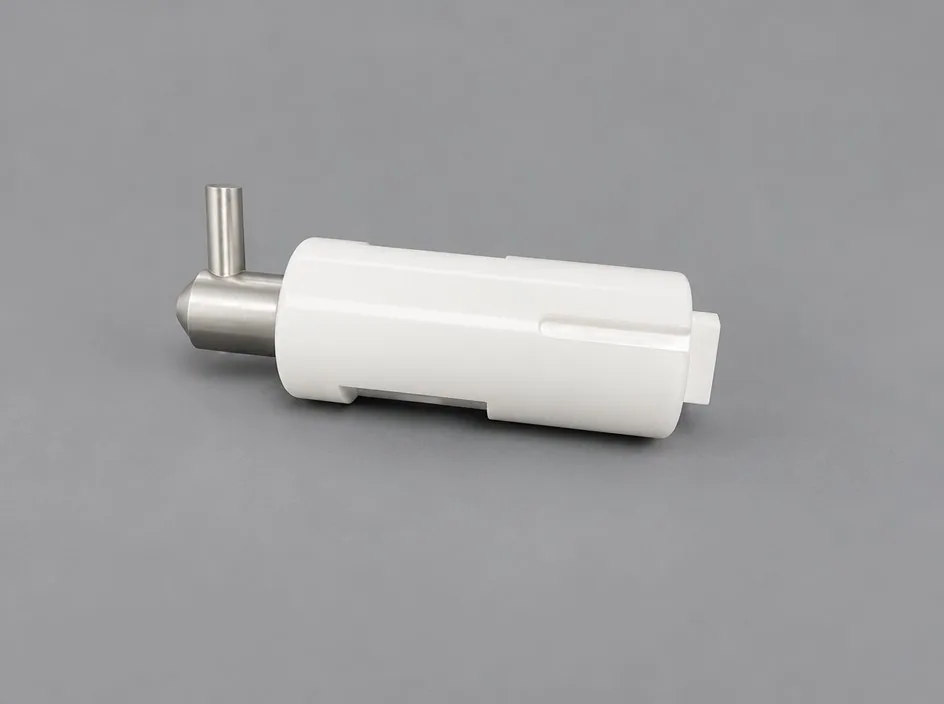
A white cylindrical sleeve over a machined metal core, with a short metal side pin projecting near the closed end.

Ceramic sleeve over a metal core

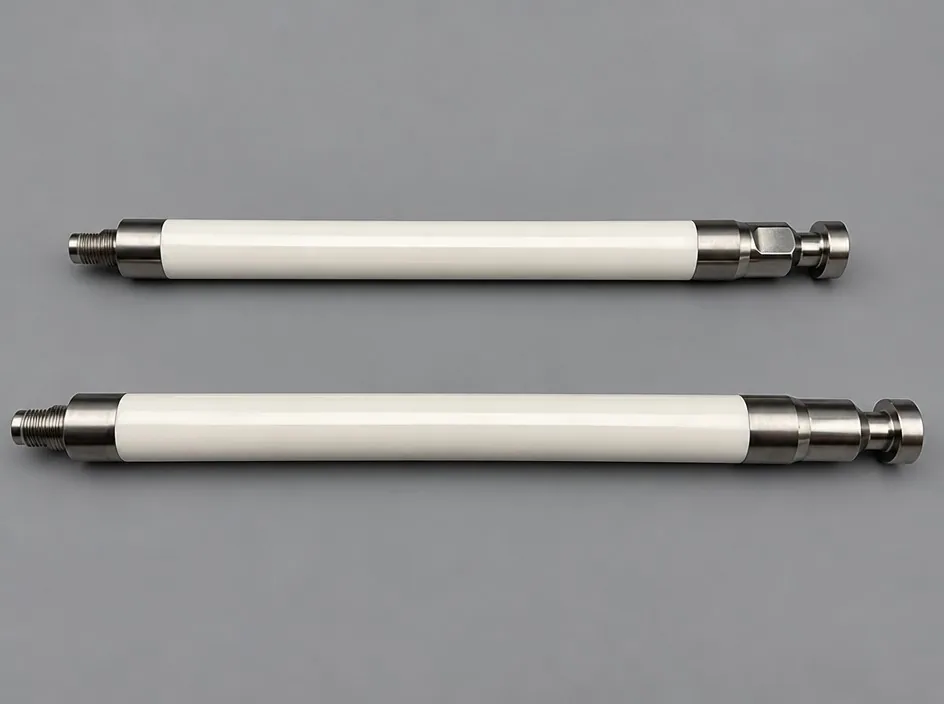
Two long white ceramic shafts on a grey studio ground, each fitted with a threaded metal end at one side and a machined metal fitting at the other.

Shaft with threaded metal ends

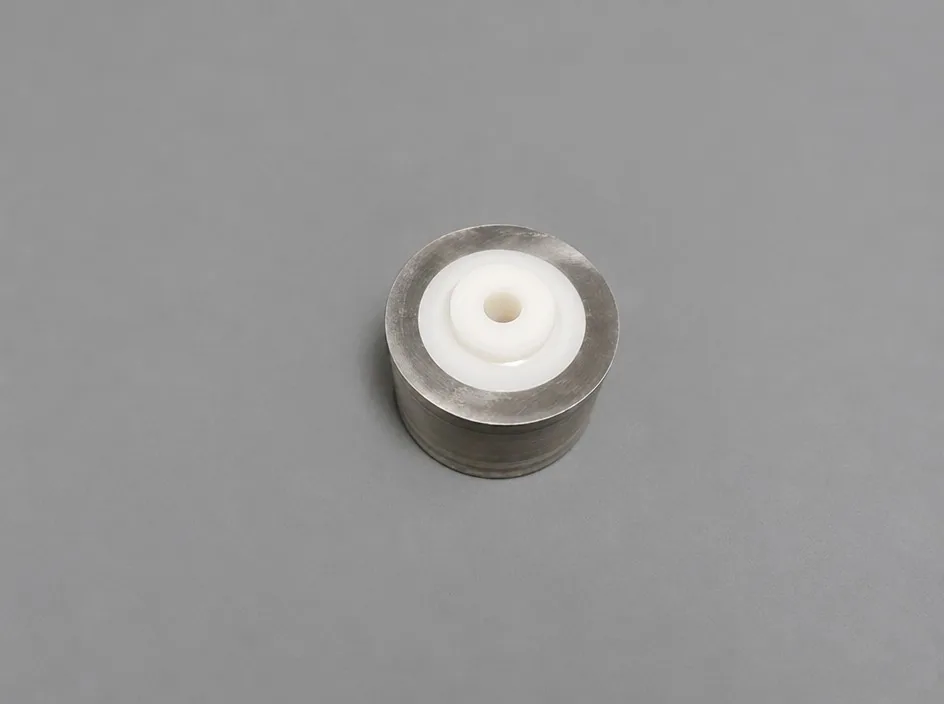
A shallow metal cup on a grey studio ground with a white ceramic insert centred in it, the insert carrying a small through bore and a raised ring.

Insert seated in a metal cup

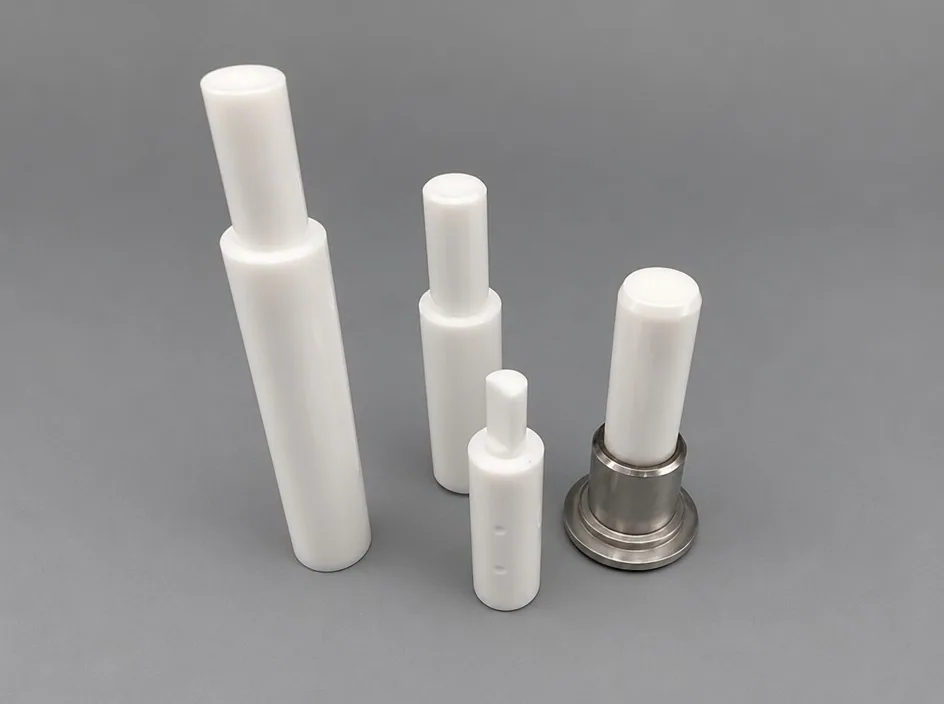
Four white stepped plungers of different sizes on a grey studio ground, the smallest seated in a short metal cup.

Four stepped plungers

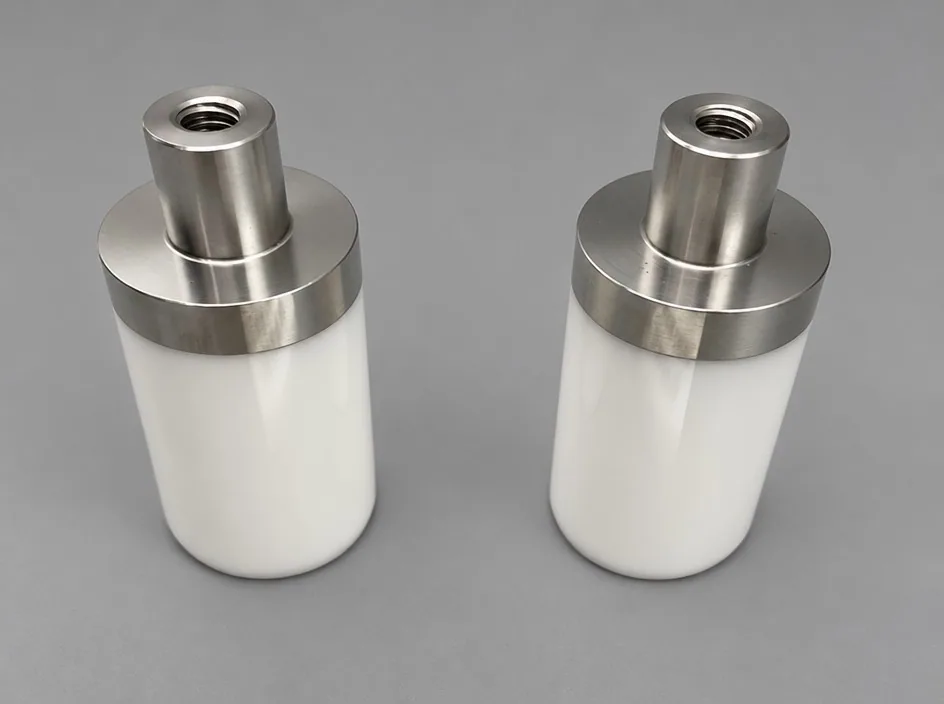
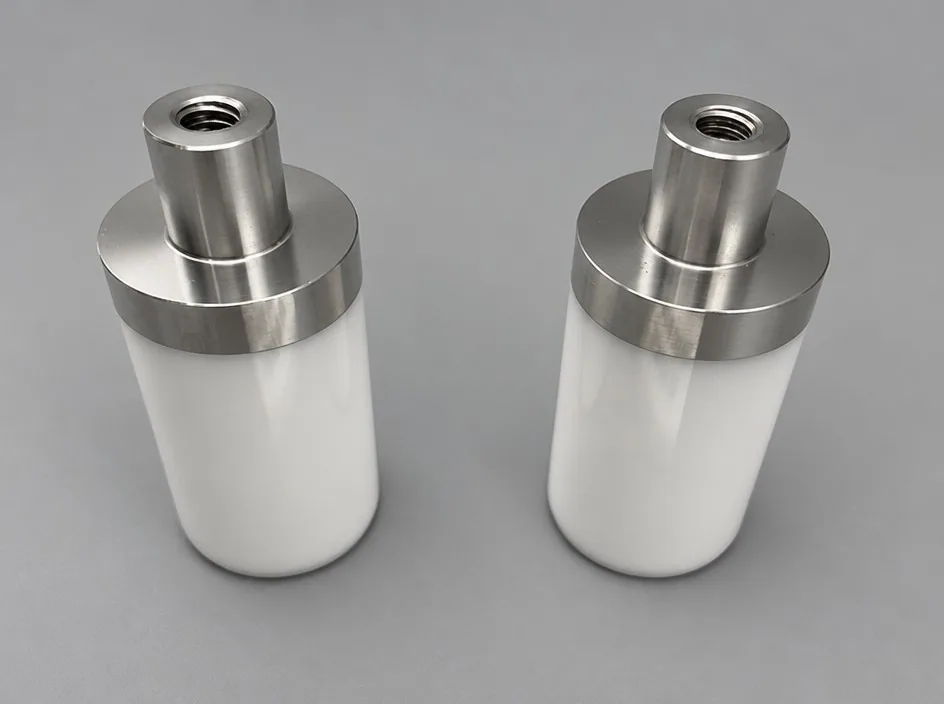
Two white cylindrical bodies on a grey studio ground, each capped with a machined metal head carrying a threaded bore.

Plunger bodies with threaded metal caps
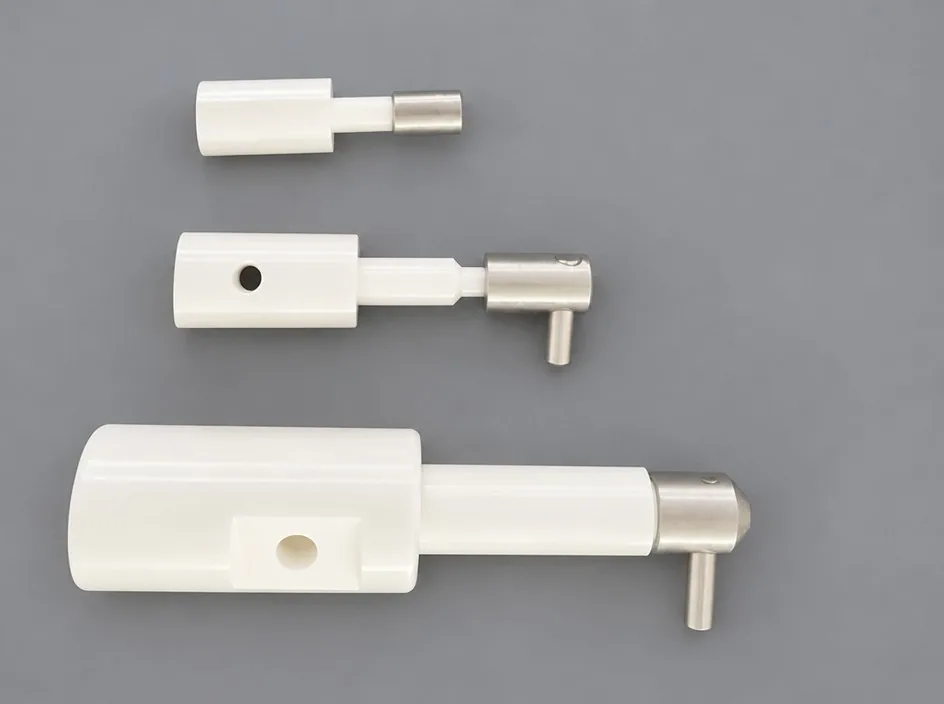
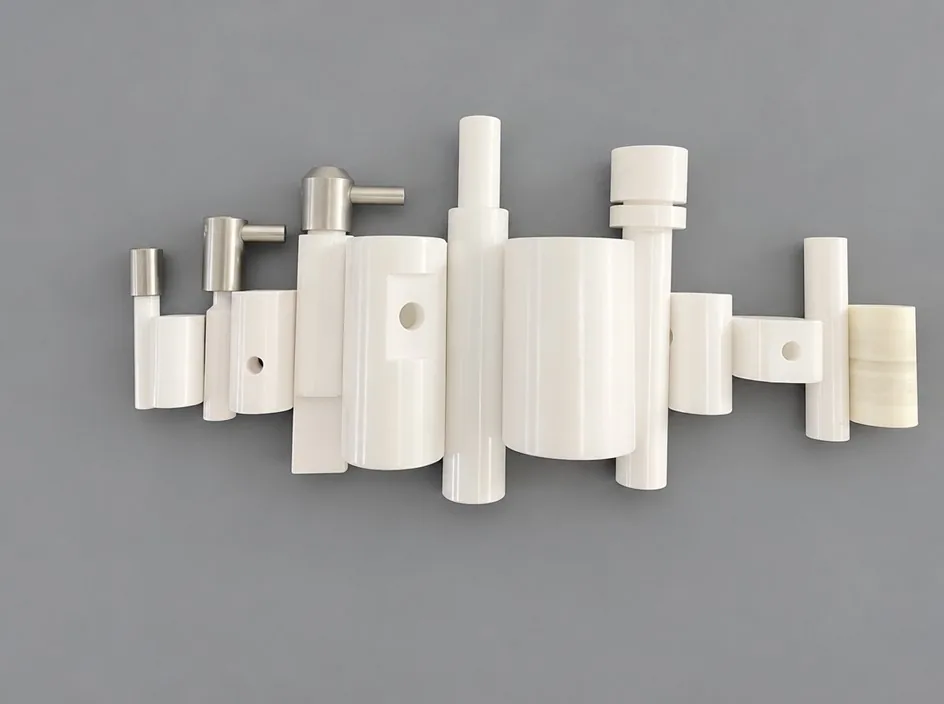
Three plunger assemblies on a grey studio ground, each pairing a white ceramic body with a metal shaft and a short angled side pin.

Three plunger assemblies with side pins
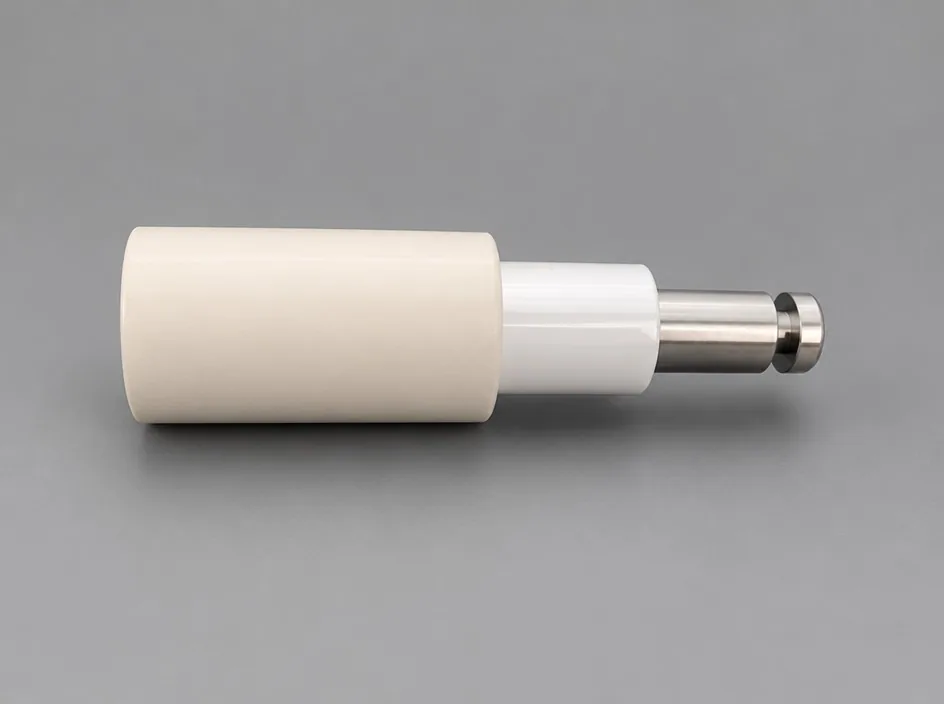
A white stepped cylinder on a grey studio ground with a metal tip fitted to its narrow end and a thin flange behind it.

Stepped plunger with a metal tip

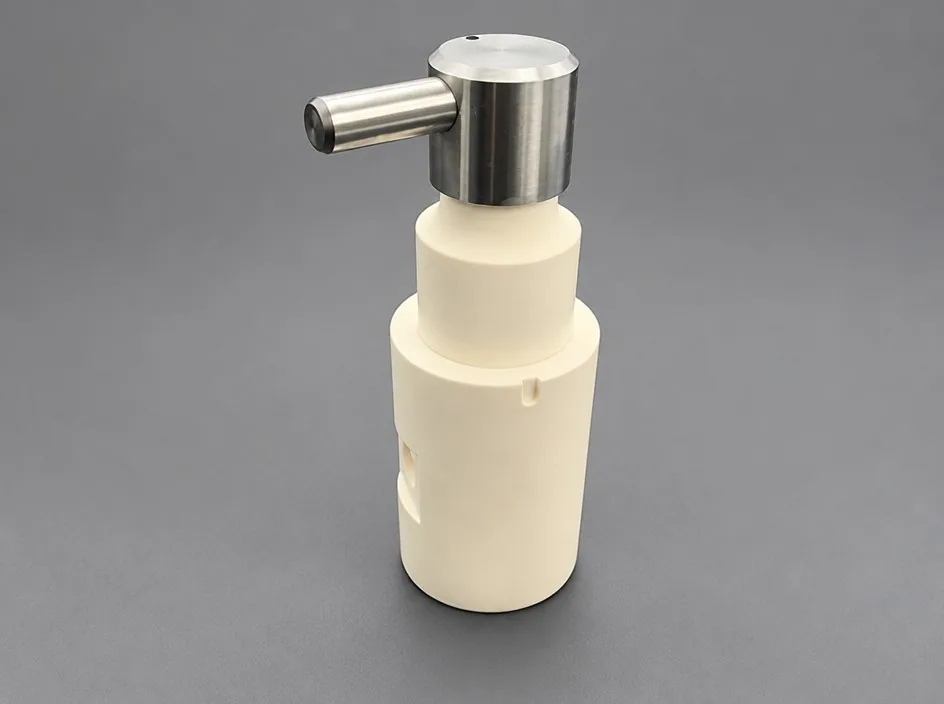
A white stepped body on a grey studio ground with a machined metal head at the top and a short side pin.

Body with a threaded metal head

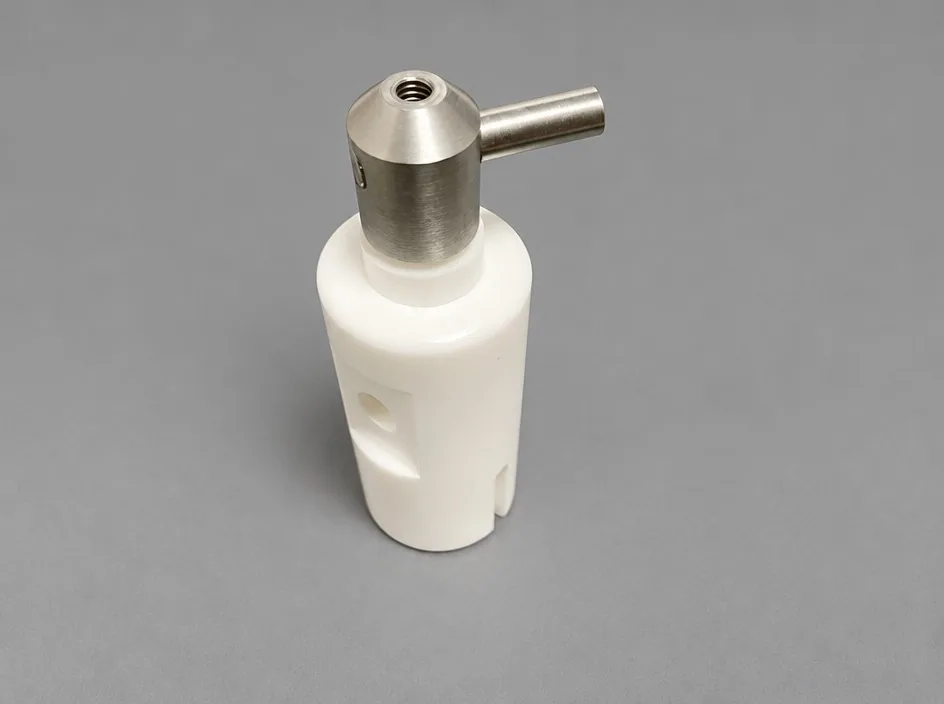
A white body on a grey studio ground with an angled metal head fitted to the top and a side pin projecting from it.

Body with an angled metal head

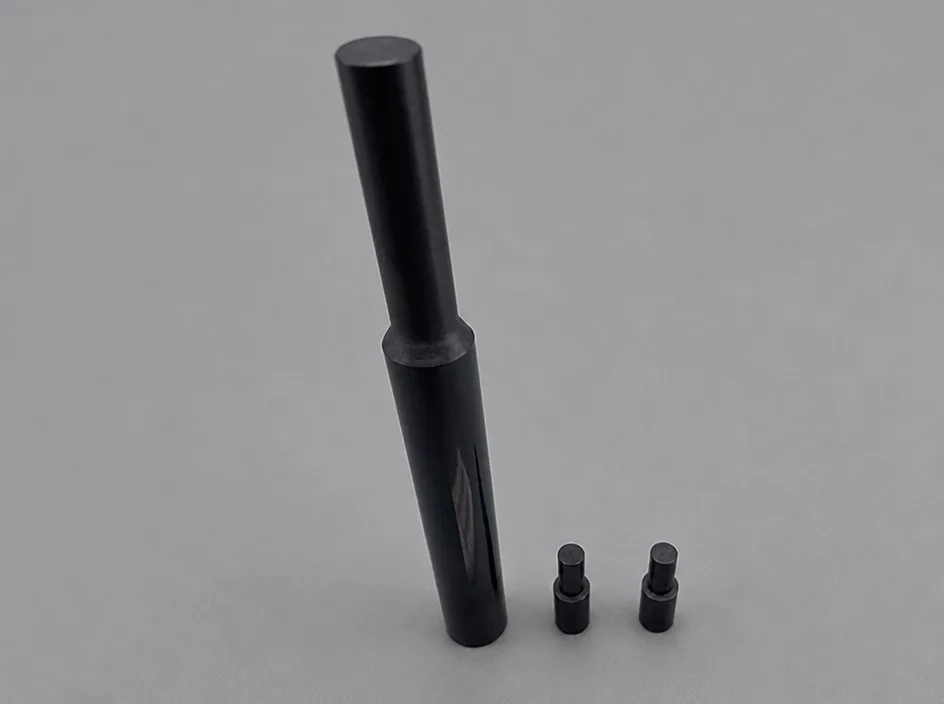
A long black tapered part on a light ground, with two small threaded metal inserts set into a flat near the base.

Black tapered plunger with threaded inserts
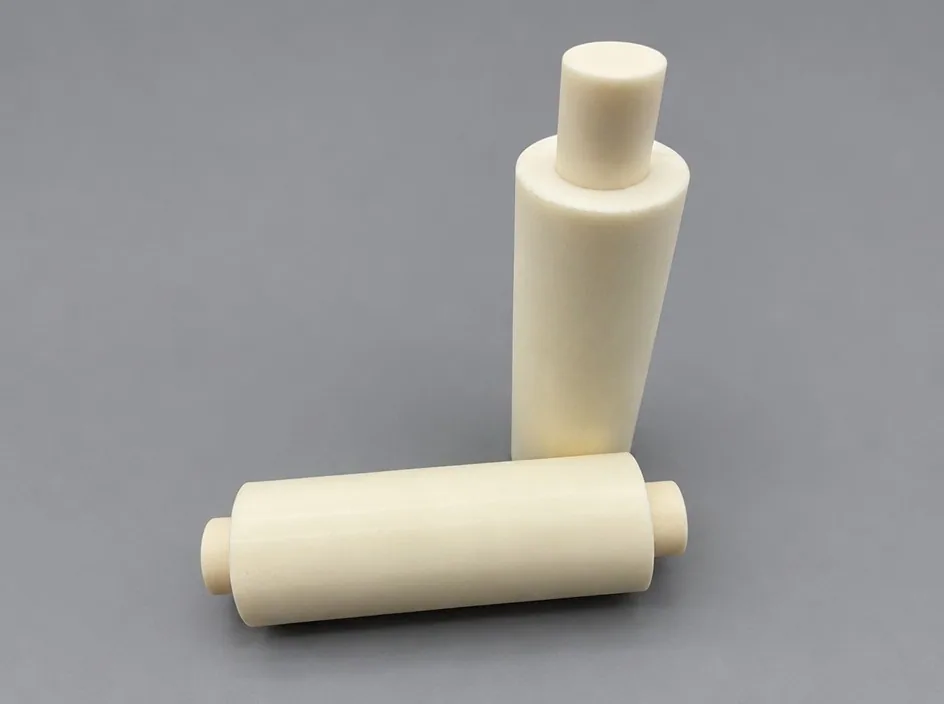
Two white cylinders on a grey studio ground, one stepped with a centred boss and one with an eccentric boss.

Stepped plungers with offset bosses

Eight plunger assemblies in a row on a grey studio ground, alternating white ceramic bodies and metal shafts with short side pins.

Set of eight plunger assemblies

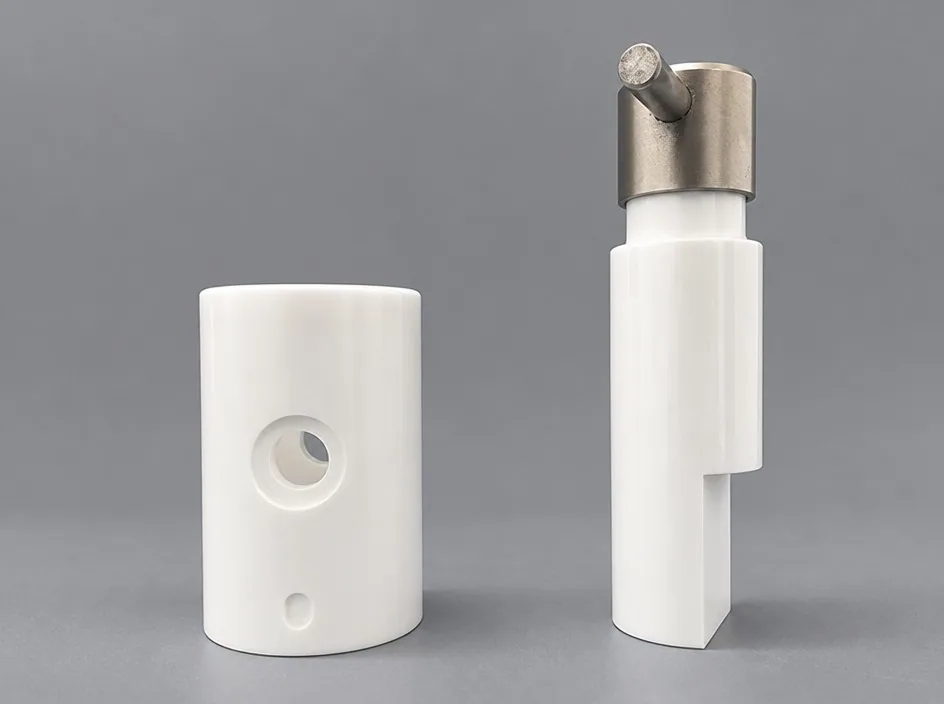
Two white cylindrical bodies on a grey studio ground, one with a large side bore and a smaller bore below it.

Plunger bodies with side bores

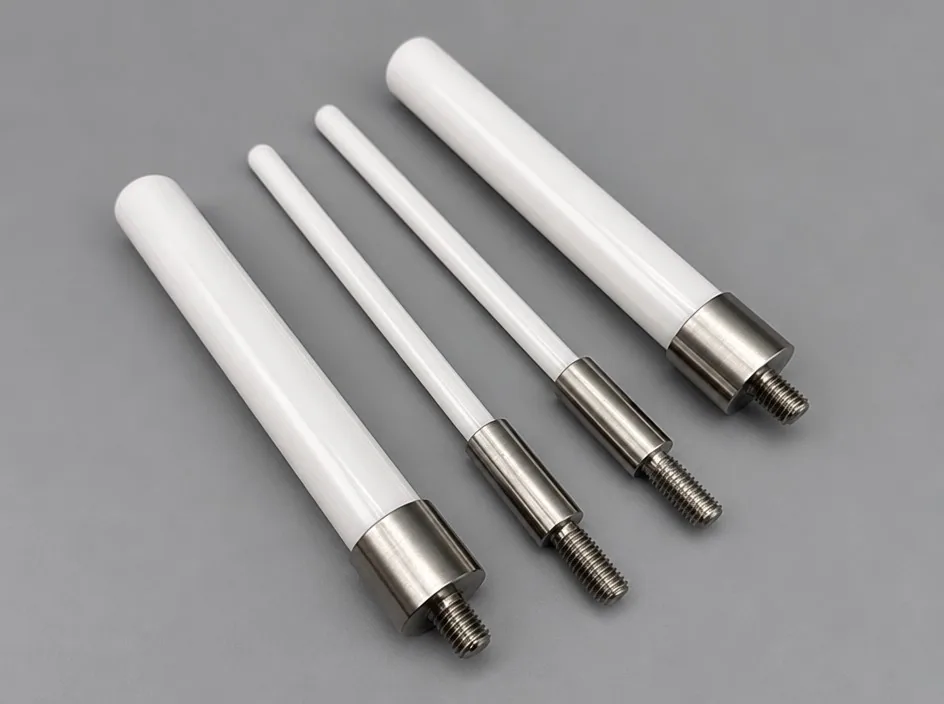
Four white ceramic shafts of different diameters lying in parallel on a grey studio ground, each with a threaded metal end.

Ceramic shafts with threaded metal ends
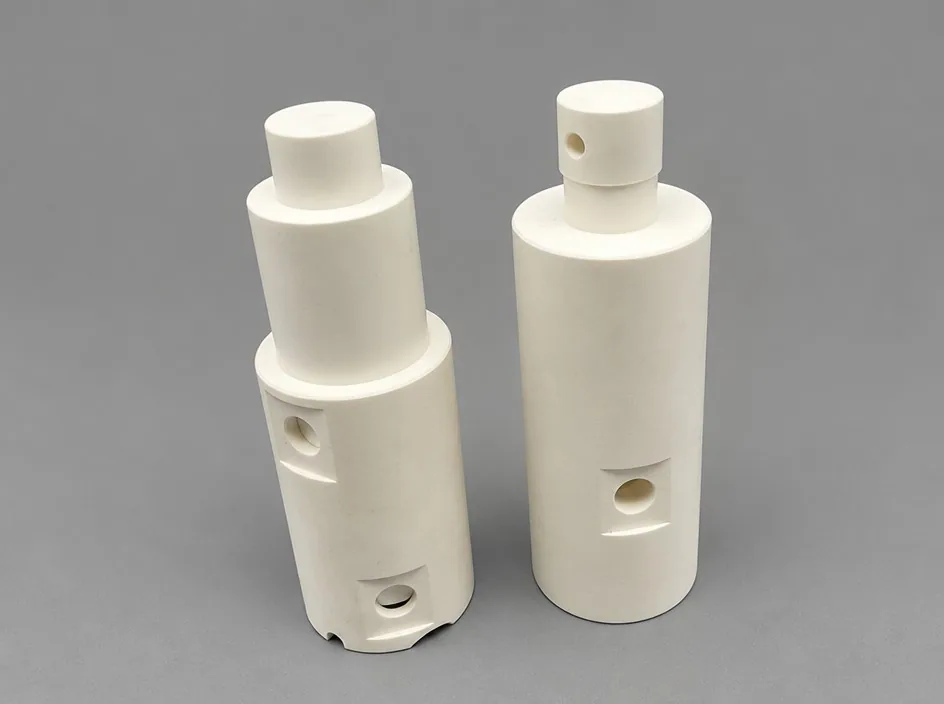
Two white stepped bodies on a grey studio ground, each with a bore through the side wall and a smaller bore near the base.

Stepped bodies with side bores

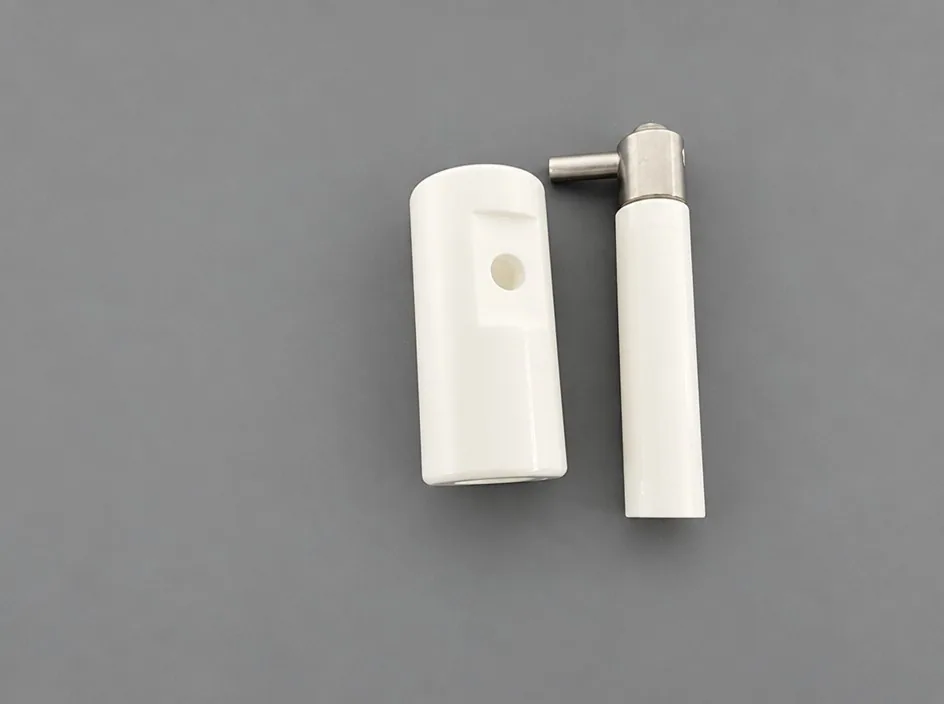
A white block with a through bore beside a white shaft fitted with a metal head and a short side pin, on a grey studio ground.

Block with a bore and a headed shaft

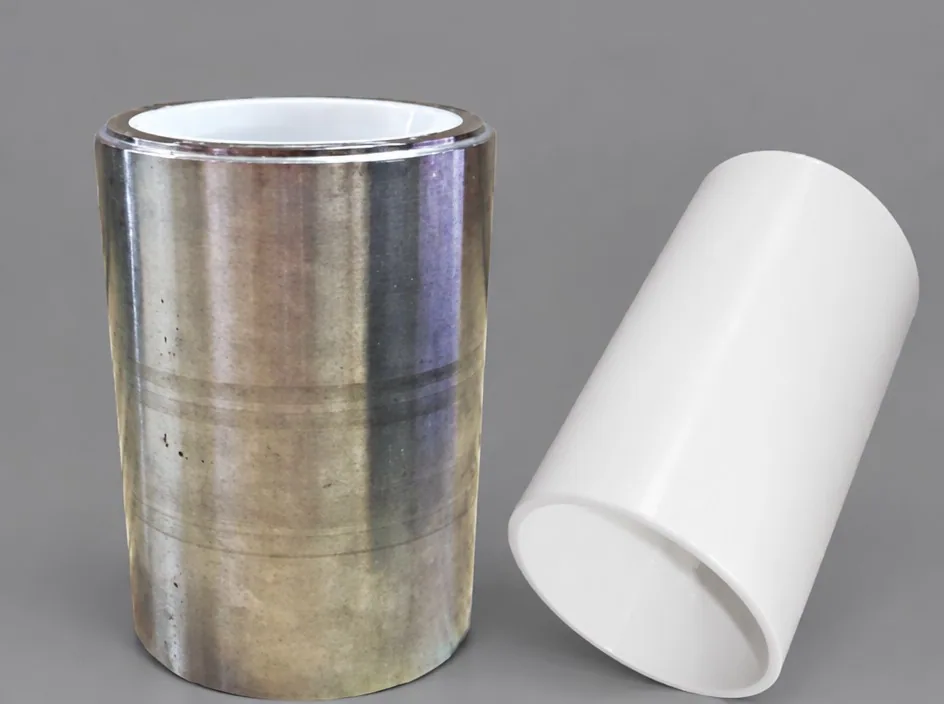
A metal cylinder on a grey studio ground with a white ceramic liner visible inside, beside a second white liner lying at an angle.

Ceramic liner in a metal cylinder

Two white cylinders on a grey studio ground, each fitted with a machined metal top carrying a threaded bore.

Plungers with threaded metal tops

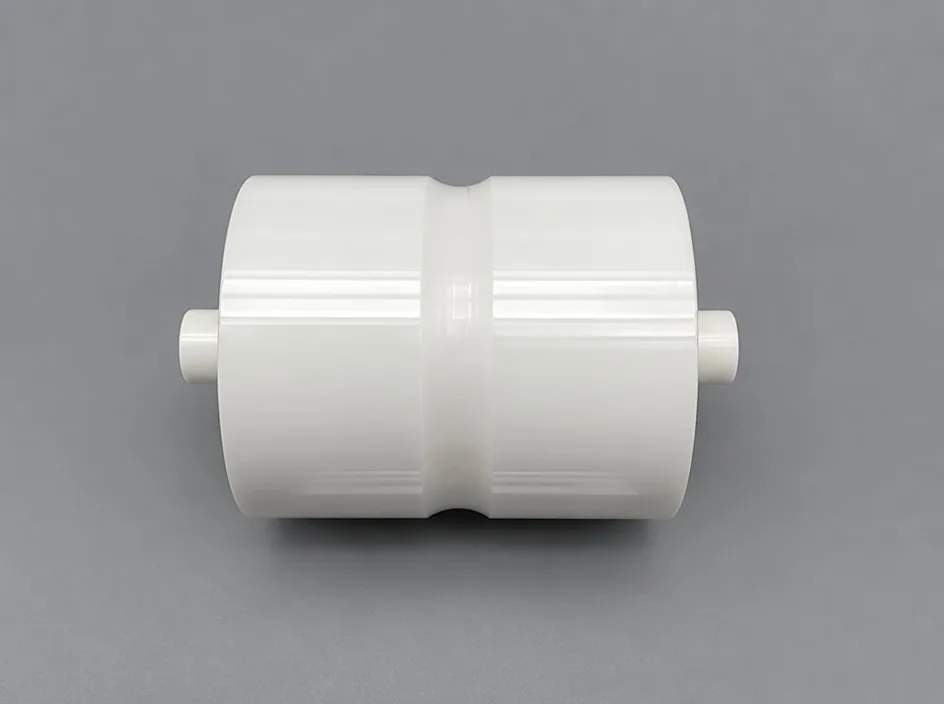
A white cylinder on a grey studio ground with a machined waist groove around its middle and a short pin at each end.

Body with a waist groove and end pins
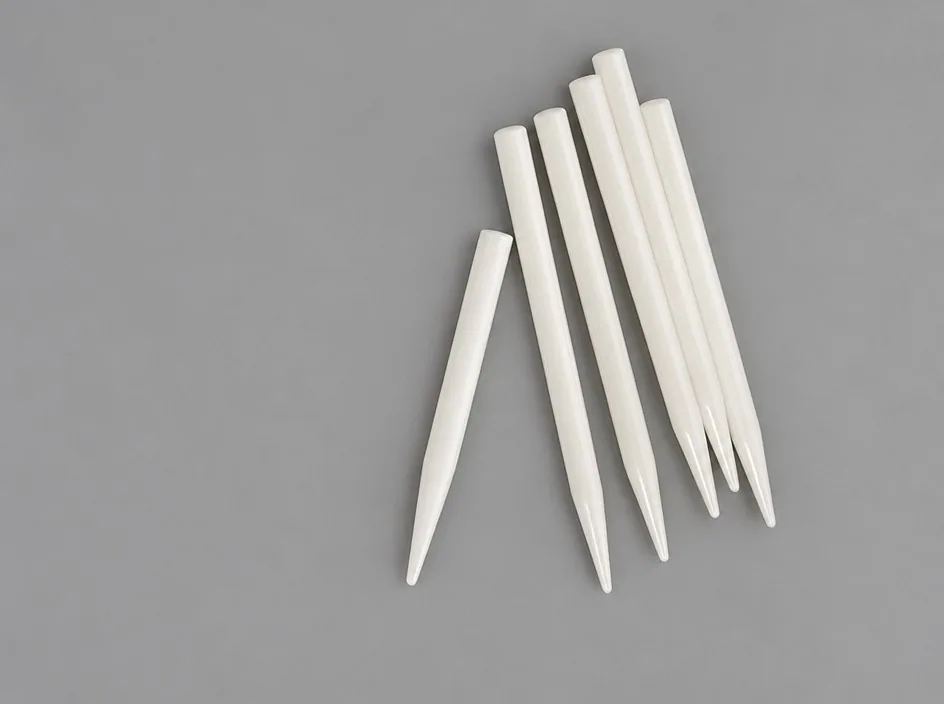
Six white tapered pins fanned out on a grey studio ground, each ground to a point at one end.

Tapered pins, set of six

Typical applications

Applications this form is specified for

The industries below are the applications this material system is most often specified for. Tell us your own duty and we will confirm whether it is the right grade.

Insulating supports and spacersWear-resistant pins and guidesPlungers and piston elementsHeating element supportsLocating and alignment pins

Made to your requirement

What is defined with you before production

  • Diameter and its tolerance
  • Straightness over the full length, not per unit length
  • End geometry, and whether the ends are functional
  • Any groove, step or thread, and where it sits

Supply stage

Sample part first, then batch production on the same material and process basis. Ask for the material data sheet with your quotation.

Related pages

Forms and materials to compare

Al₂O₃

Alumina Ceramics

High-purity alumina for insulation, high-temperature containment and structural duty where strength and electrical isolation have to hold at the same time.

Material details

ZrO₂

Zirconia Ceramics

Zirconia for wear duty: high strength and toughness with a fine ground surface that holds up under abrasion and repeated mechanical contact.

Material details

FORM 01

Ceramic Tubes

Straight and stepped tubes for high-temperature process lines, sensor protection and electrical isolation.

Material details

Talk to us about ceramic rods

Send the drawing, the grade you have in mind and the duty the part has to survive. We confirm the material route and return a quotation.

Request a Quote